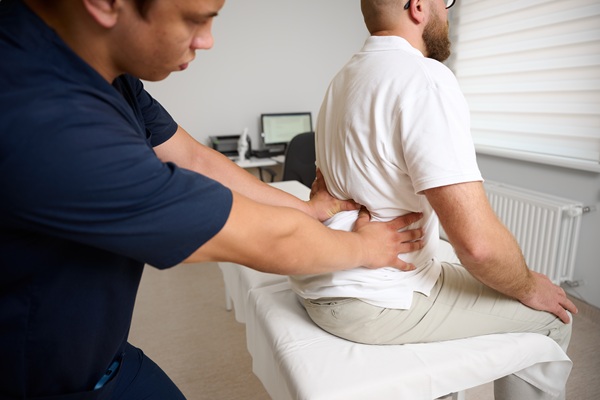
In the past few decades, alternative medicine has become increasingly popular as individuals seek nonpharmaceutical approaches to pain management and overall wellness. Many medical practitioners offer an integrative approach to healthcare that incorporates complementary and alternative medicine. However, those curious about alternative medicine may wonder whether it is effective and worth seeking.
Alternative medicine in healthcare
Alternative medicine refers to health practices that fall outside conventional or Western medical treatment models. These may include:
- Chiropractic care
- Osteopathic manipulation treatment (OMT)
- Therapeutic massage
- Herbal supplements
- Probiotics
- Meditation
- Yoga
In clinical settings, practitioners integrate alternative medicine alongside complementary care, which integrates holistic medical practices with standard medical treatment rather than replacing it. This distinction is important, as integration between alternative and complementary medicine emphasizes safety and coordination across different medical disciplines.
Evidence-based outcomes and limitations
Depending on the type of alternative medicine, there are varied results in the research. Certain approaches demonstrate measurable benefits for musculoskeletal pain, stress-related conditions, and functional mobility. For example, chiropractic care is effective for specific types of low back pain, neck pain, and joint dysfunction when applied appropriately. Other practices, such as mindfulness-based interventions, show consistent outcomes in reducing stress and improving the patient's overall quality of life.
However, evidence quality varies widely across modalities. Some therapies lack large-scale, controlled trials. Meanwhile, other types of alternative medicine show benefits limited to symptom relief rather than disease resolution. From a clinical standpoint, practitioners advising patients should evaluate the effectiveness of alternative medicine on a case-by-case basis, with outcomes measured against established standards of safety and efficacy.
Nonpharmaceutical treatment
Many alternative approaches affect the body through neurological, biomechanical, or behavioral pathways. Manual therapies may improve joint motion, reduce neuromuscular tension, and improve body awareness. Mind–body practices can affect the balance of the autonomic nervous system and stress hormone regulation. These mechanisms do not require speculative explanations and can often be observed through functional improvements. Additionally, the connection between the practitioner and the patient is influential in the therapeutic encounter. Patient education, expectations, and consistent care can contribute to improved outcomes and long-term wellness.
Safety and regulation
Safety remains a central concern for those seeking alternatives to conventional medicine. Not all alternative medicine practices are equally regulated, particularly in the area of supplements and herbal products. Fortunately, chiropractors and other licensed providers are trained to screen for complications and refer patients to medical doctors when symptoms fall outside their scope of care. A responsible practice of alternative medicine requires clear diagnosis, informed consent, and collaboration with other healthcare professionals. Claims that discourage necessary conventional medical treatment or 'miracle cures' are inconsistent with ethical practice in all types of medicine.
The importance of integrative patient care
An integrative model allows alternative medicine to support conventional treatment goals. In chiropractic care, this approach prioritizes functional improvement, reducing pain, and patient education while maintaining alignment with medical standards. Integrative medicine works best when practitioners communicate clearly with their patients and base their recommendations on current evidence and standard practices.
Call our office to learn more about alternative medicine
Alternative medicine can be effective for certain conditions when grounded in research and applied safely within its scope. Its value lies in targeted, evidence-informed care rather than in broad claims about miracle cures. Do you have questions about the effectiveness of alternative medicine? Call our Indianapolis office to learn more or schedule a consultation.
Request an appointment here: https://www.woodsindychiro.com or call Woods Chiropractic PC at (317) 257-3919 for an appointment in our Indianapolis office.
Check out what others are saying about our services on Yelp: Alternative Medicine in Indianapolis, IN.
Recent Posts
Chiropractors at wellness centers aim to help patients relieve everyday aches and improve how the body moves and recovers. They often see concerns that start small, such as stiffness after sleep, tight hips after sitting, or a neck that feels stuck after a long day. When these patterns recur, the body requires a more comprehensive…
Dealing with ongoing pain from an injury or condition can disrupt your life, and finding an effective pain management strategy can be frustrating. In addition, managing pain can often involve surgery or reliance on prescription pain medication. However, a chiropractor may be able to help you reduce or alleviate your chronic pain while reducing or…
Spinal decompression is an effective option for individuals with chronic back pain, sciatica, or herniated discs. It is a non-invasive treatment that chiropractors use to relieve pressure on spinal discs, nerves, and surrounding tissues. Understanding the spinal decompression treatment process can help you make an informed decision about your health and quality of life.The initial…
Sciatica pain is caused by your sciatic nerve being pinched and can be treated by a chiropractor. The sciatic nerve is the longest in the body and travels from the lower half of the spine down to the toes. Pain can occur anywhere along the nerve’s path, and it can typically be felt in the…