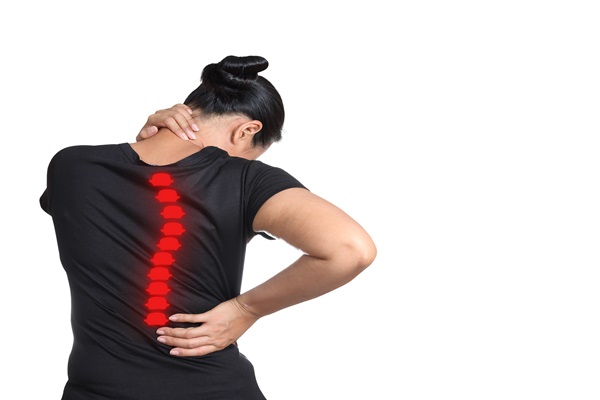
Many people are aware that scoliosis largely affects kids, but adults can suffer from this condition as well. Read more on what you should know about scoliosis and how you can apply chiropractic care.
What is scoliosis?
Scoliosis is a disorder that affects the spine. It causes the spine’s normal shape to deform into a sideways curvature that may appear as a C-shape or S-shape. Idiopathic is the most common type of scoliosis and is largely responsible for many known cases. The sad news is that idiopathic translates to “without known cause,” meaning that medical experts cannot always give an accurate explanation to the patients.
Other types of scoliosis include:
- Paralytic curve (dysfunction of the muscles)
- Congenital curve (condition is from birth)
- Myopathic deformity (malfunction of the muscles)
- Secondary cases (caused by other conditions such as osteoporosis, degeneration or osteomalacia)
Who are the victims of scoliosis?
In the United States, scoliosis affects about six to nine million people, accounting for around 2 to 3 percent of the entire population. Of this number, children between the ages of 10 and 15 are the highest age group, with the condition affecting more girls than boys. Although scoliosis is rampant among people in this age and gender category, there is a growing number of cases of adults suffering from this condition.
What causes scoliosis?
As mentioned earlier, the causes of most reported cases of scoliosis are unknown. However, the cause of cases such as congenital scoliosis can be identified. In congenital scoliosis, the deformation of the spine’s normal curvature is already present at birth.
What signs and symptoms are associated with scoliosis?
Usually, people suffering from scoliosis do not experience back pain, yet there are physical signs that signify the presence of the condition, such as:
- The prominence of the ribs and lumbar (rib and lower back hump) when the child bends forward
- Irregular shoulder or shoulder blade that bulges further than the other when upright
- Different hip heights
The Cobb Procedure
This diagnosis basically measures the curve using the Cobb method. The condition is present if the curve is greater than 10 degrees. If the curve is higher than 25 to 30 degrees, the condition is significant and requires attention. If the curve exceeds 45 to 50 degrees, then the scoliosis is severe.
You should know that scoliosis sometimes runs in the family, meaning that if a relative is diagnosed with the disease, other members of the family should be evaluated as well.
What is the diagnosis procedure like?
Medical experts use family and medical history, X-rays and physical examinations to diagnose the condition. You should consult only a professional because the signs of scoliosis are not always obvious.
What treatment options are available?
Chiropractic care, observation and bracing are common methods of treating scoliosis. Adult braces and chiropractic care help reduce the pain and correct the posture.
Many professionals opine that early diagnosis of scoliosis helps with treatment. If you are uncertain of the condition, you should go for diagnosis immediately.
Here's the deal
Call (317) 257-3919 today to reach Woods Chiropractic PC.
Check out what others are saying about our services on Yelp: Scoliosis in Indianapolis, IN.
Recent Posts
If you are worried about your posture, chiropractic treatment may offer a practical way to address some of the factors behind it. From long hours at a desk to muscle tension and limited mobility, several everyday habits can affect how the body holds itself. Here is what you should know about chiropractic treatment and how…
Spinal adjustments, sometimes called spinal manipulation, involve a licensed chiropractor manipulating the vertebrae to promote internal healing. It is commonly believed that only one adjustment is necessary when back or neck pain is apparent, but many may benefit from regular adjustments. Explore the reasons we suggest adding spinal adjustments to your yearly care plans.Spinal adjustments…
A family chiropractor can help patients understand how daily habits affect spinal health, comfort, and mobility. The spine supports movement, posture, and the nervous system, which carries messages between the brain and body. Repeated stress from sitting, lifting, poor posture, or limited activity can contribute to stiffness and discomfort. Chiropractic care often includes recommendations that…
Sciatica pain treatment becomes important when pain, tingling, or numbness travels from the lower back into the hip, buttock, or leg, disrupting daily life. Some people notice symptoms after prolonged sitting, bending, or lifting, while others feel discomfort when walking, standing, or changing positions. Regardless, an early evaluation from a chiropractor helps identify likely triggers…